
Category: Gardening with Native Plants
-
Why White Sage?
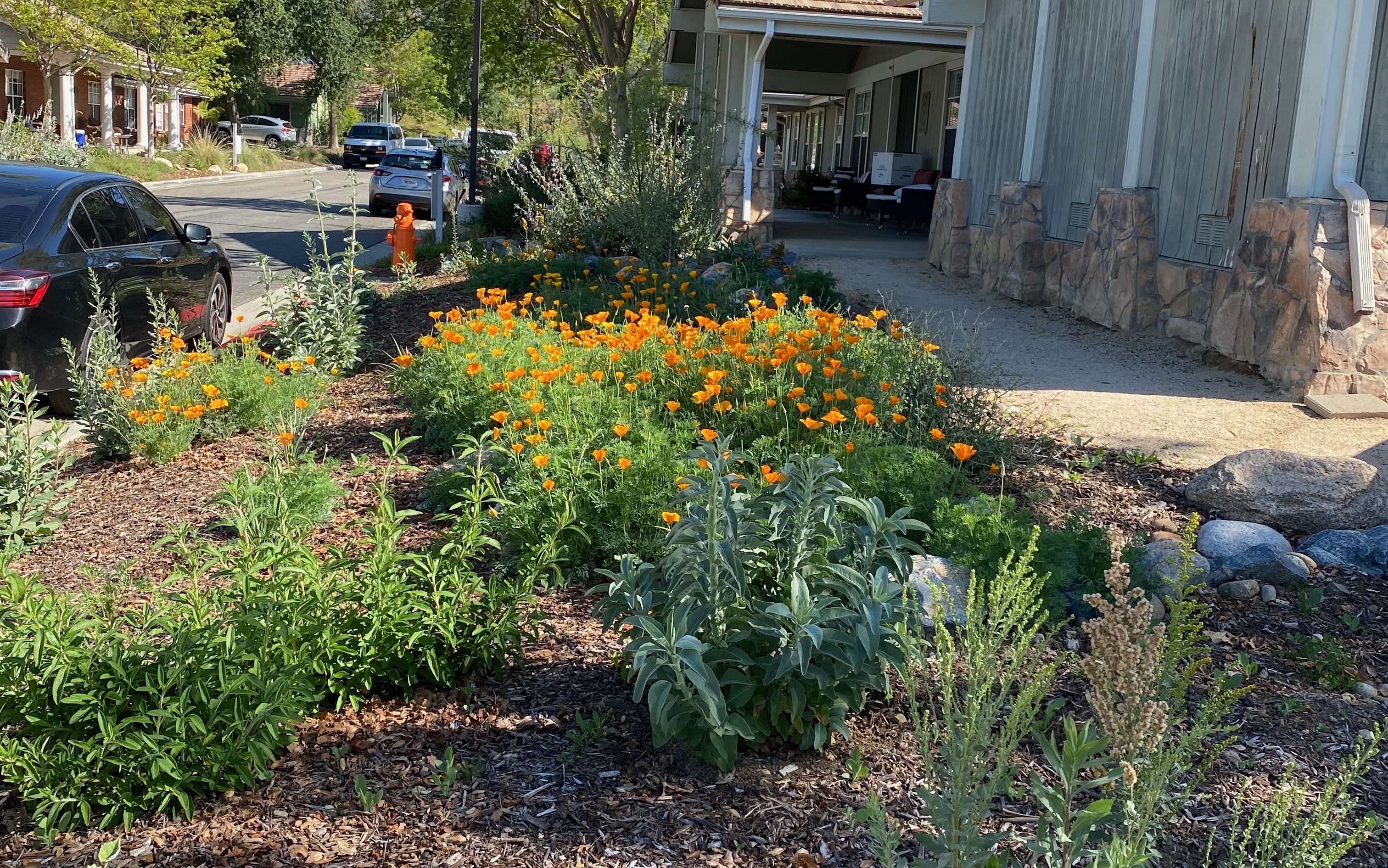
White sage, also known as Sacred Sage, is a sacred plant to Indigenous Peoples, used ceremonially for prayer. White sage is special because it grows only in Southern California and in Northern Baja California. It grows nowhere else in the world. Unfortunately, current television shows and movies have popularized sage smudging as a quick and…
-
A Sage in Every Garden Coming Soon
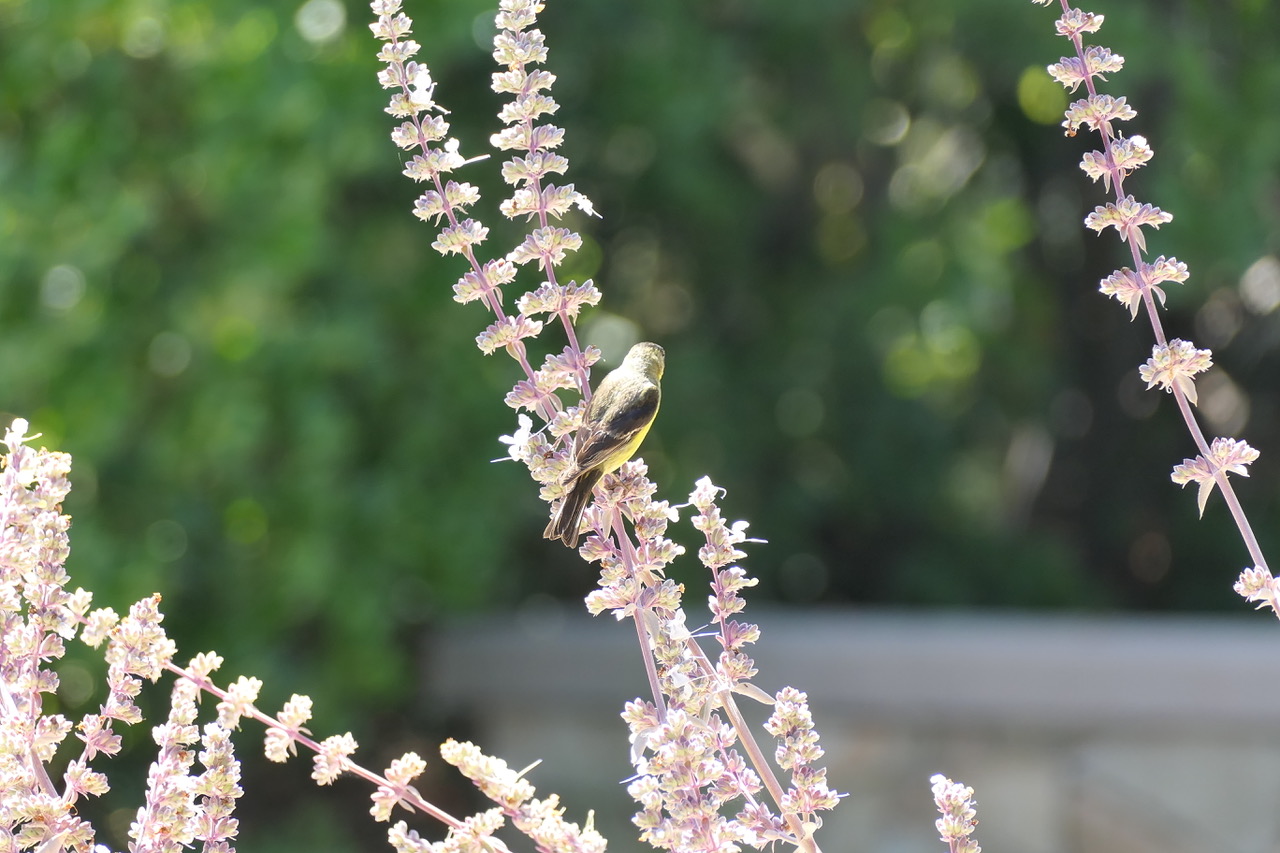
The Orange County chapter of the California Native Plant Society (OCCNPS) is partnering with Roger’s Gardens this fall to distribute 2,000 four-inch White Sage (Salvia apiana) plants to Orange County homeowners. The campaign begins November 2022 and extends through February 2023. A Sage in Every Garden is modeled after the 2019 buckwheat giveaway campaign. OCCNPS…
-
Enhance HOA Property Values and Ecosystems with California Native Plants

Homeowner associations (HOAs) often rely on landscape contractors for planting advice, potentially leading to unnecessary expenses and ecological opportunities being missed. To influence the installation of native plants, consider joining the HOA board or landscape committee. It’s crucial to prioritize non-invasive, appropriately-sized shrubs and trees, as well as California native plant species that can survive…
-
More Fab Front-Yard Natives
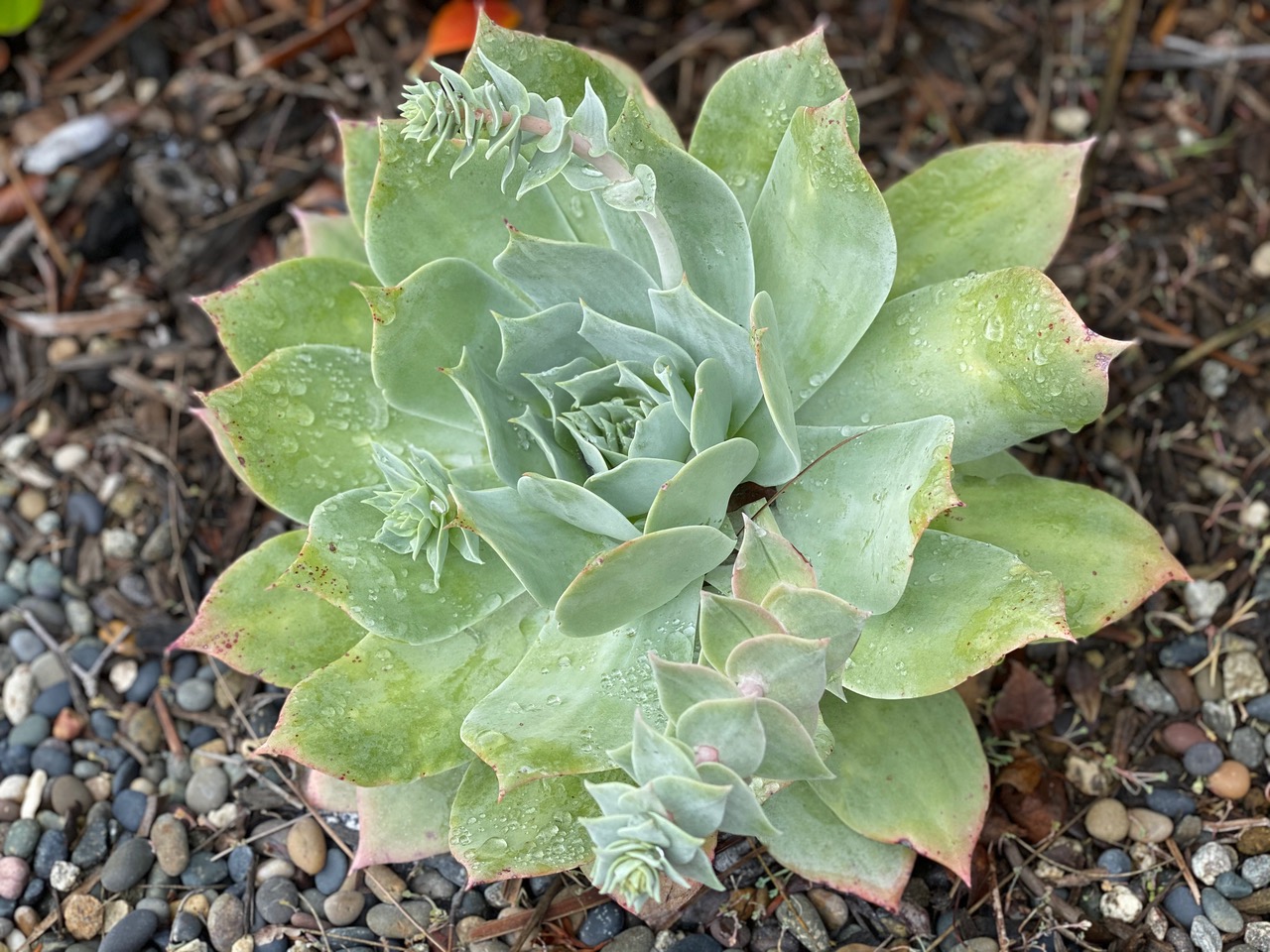
Let’s explore a few more “front-yard” California natives that are HOA-approved, evergreen, and are pleasing to the eye no matter what the season. The California lilac (Ceanothus sp.) is a must-have native plant for every front landscape. This gorgeous shrub blooms in the spring with soft, fragrant flowers. When not in bloom, the shrub has…
-
Elegant Shrubs for the Garden
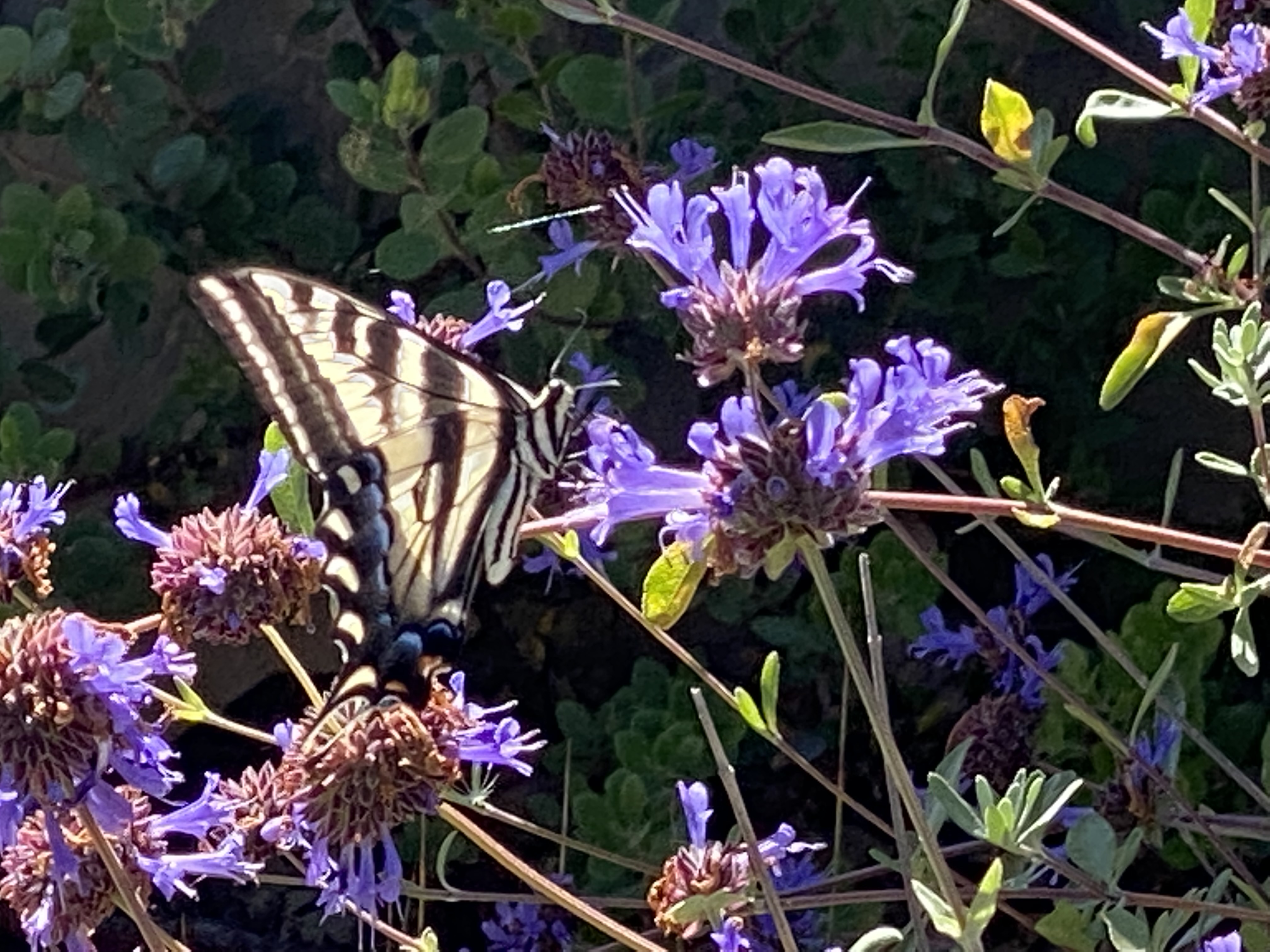
Today’s post features California native shrubs that are “front-yard natives” because they look good year-round, are easy to care for, HOA’s love them, and they are evergreen. Manzanitas (Arctostaphylos species) are great in front-garden landscapes because they are leafy evergreen plants with bell-shaped blossoms that support native bumblebees and other wildlife. ‘Sunset’ manzanitas are medium-sized…
-
Designing a California Native Garden
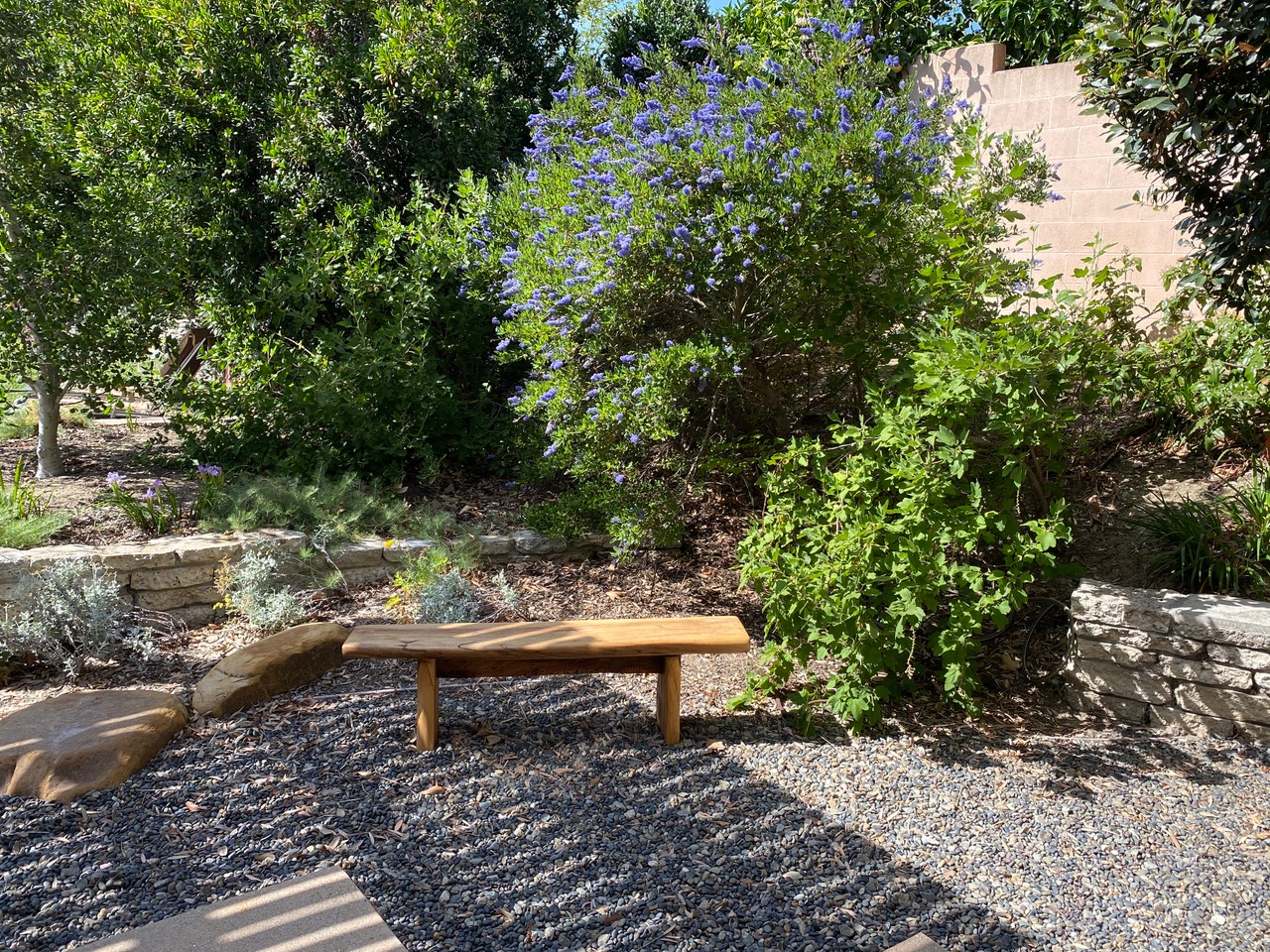
Today I am highlighting a few California native plants that provide a formal foundation for a home landscape. Planting a California native garden is a beautiful solution for the state’s water challenges because native plants reduce water consumption while also supporting nature. If you have space in your home landscape, a Coast Live Oak (Quercus…
-
Why Native Plants Matter

California native plants can be a little tricky for the inexperienced gardener, and if you live in central and north Orange County, they can be hard to find. So why bother planting native plants in your garden? Because wildlife, butterflies, and native bumblebees are absolutely dependent upon local native plants for food and shelter, and…
-
Spring to Life
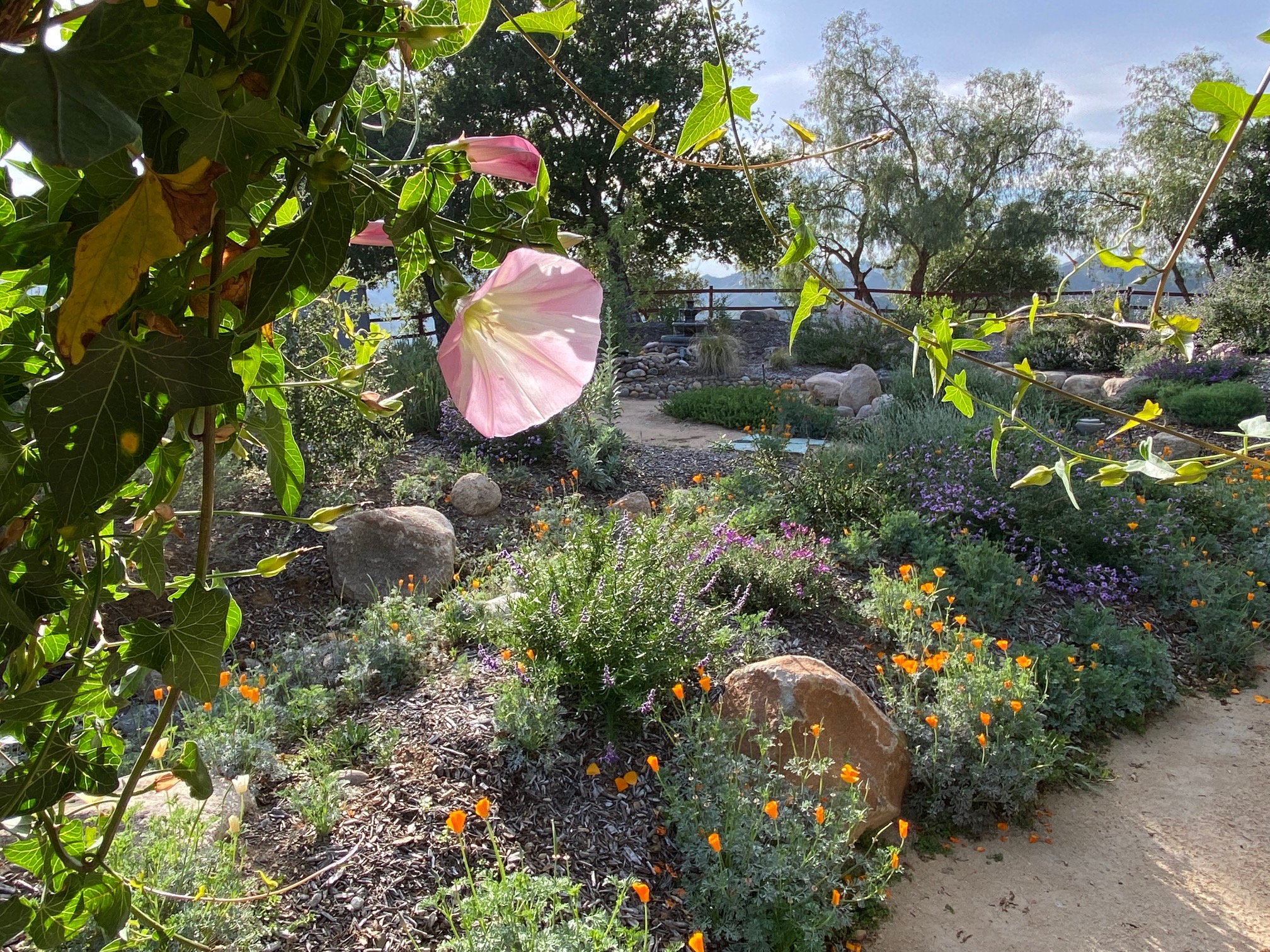
We have had less rainfall than normal in Southern California, so what is a plant to do? Bloom anyway.
-
Water for Wildlife

Rainfall has been scarce in Southern California in 2022. After a rainy December, we’ve had warm weather and windy conditions for most of January and February.
-
Planting a Seasonal Meadow

Last December 2021, we created a seasonal meadow of local grasses and wildflowers that would provide beauty, color, and life after winter rains in a 12,000 square-foot park space at Vera’s Gardens.
-
Creating an Avian Garden

In September, we began work on the east side of Vera’s Sanctuary in Trabuco Canyon, where we created an Avian Garden, a 10,000-square-foot project that is interconnected with two large front lawns.
-
Helping a Canyon Landscape

For the past two and a half years, a group of gardeners and I have volunteered to rehabilitate the landscape of a five-home cul de sac in Trabuco Canyon. The site totals 12 acres and is owned by the nonprofit, The Teen Project…