
Tag: Nature
-
Lori Whalen: A Journey Into Native Plants
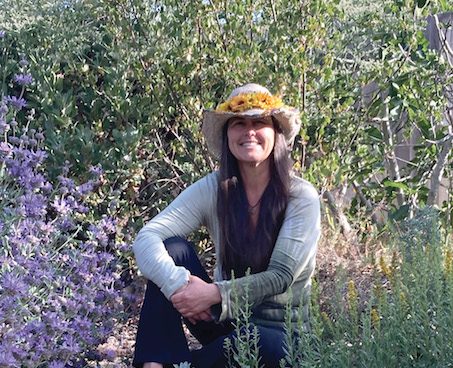
Lori Whalen, a new Board member, has a rich background in environmental education and a passion for native plants. Her journey began with volunteer work and has evolved into leadership at the Environmental Nature Center. Lori emphasizes the importance of connecting people to nature through education, conservation, and community engagement.
-
Discover St. Catherine’s Lace: A Stunning Native Shrub
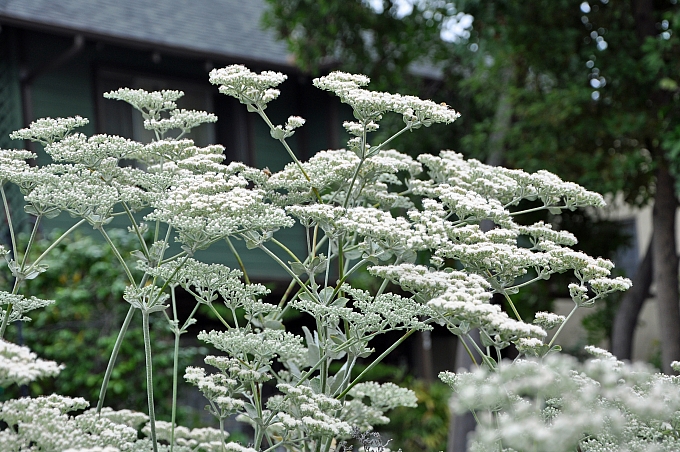
Eriogonum giganteum, or St. Catherine’s Lace, is a striking evergreen shrub native to California’s Channel Islands, thriving in full sun and well-drained soil. Growing up to 6 feet tall, it boasts large, creamy white flowers that attract butterflies and bees. This drought-tolerant plant requires minimal upkeep and can feature in various landscape designs.
-
Meet Karen Graham: Advocate for Native Plants in Education
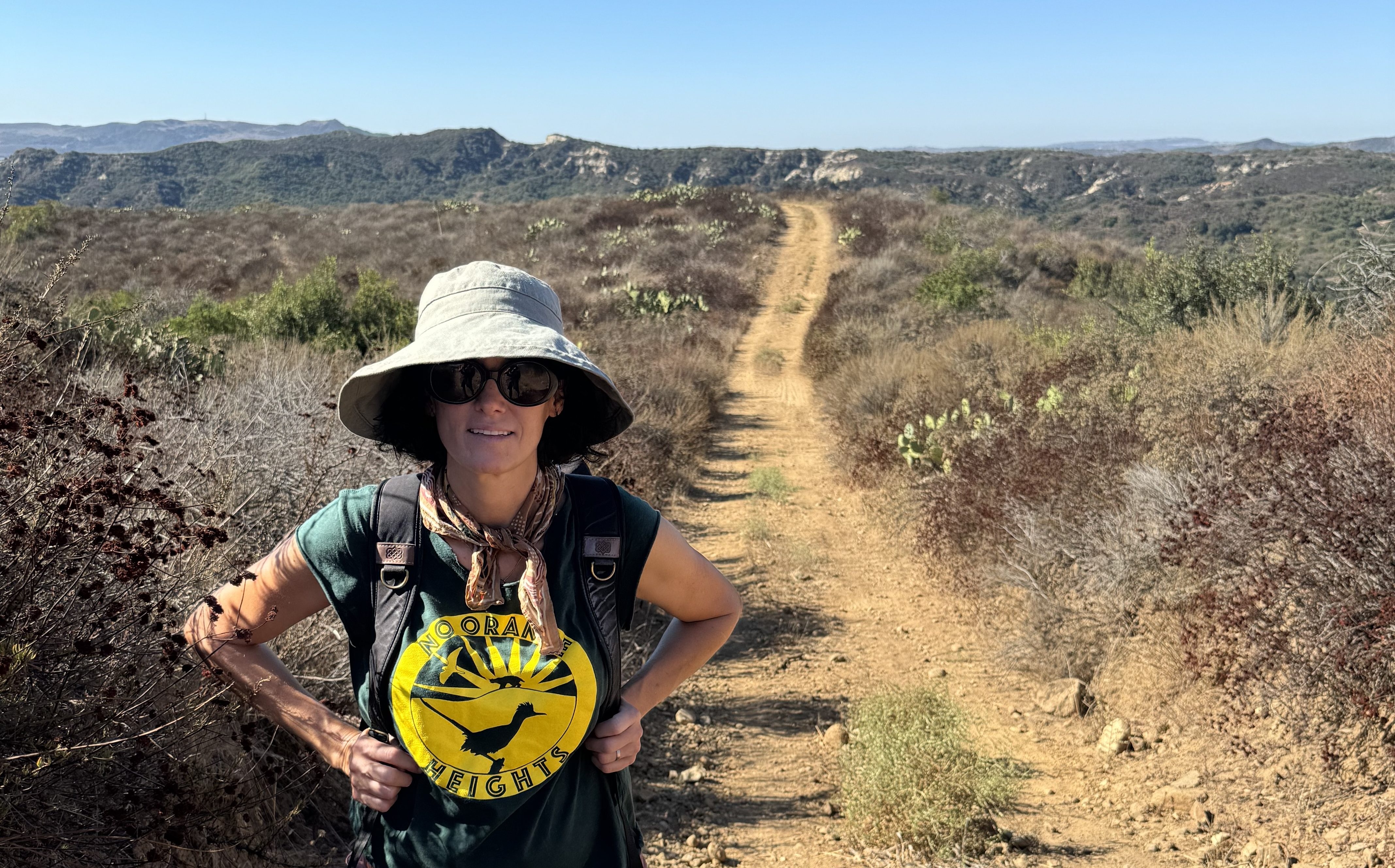
Karen Graham has joined the Orange County Chapter of the California Native Plant Society, bringing extensive educational experience and a passion for native plants. As Program Director at Earthroots Field School, she promotes eco-literacy and advocates for biodiversity. Inspired by her childhood and community involvement, Graham emphasizes accessible native plant education and collaboration with Indigenous…
-
Essential Winter Gardening Tips for Native Plants

In the November/December 2025 edition, Dan Songster shares member insights on gardening tasks suitable for winter. Contributors highlight their favorite chores, including pruning, weeding, and planting. They emphasize these activities help prepare native gardens for spring while minimizing future work. The upcoming edition will address anticipated garden challenges for the new year.
-
Planting Elegant Clarkia Seeds for a Vibrant Garden
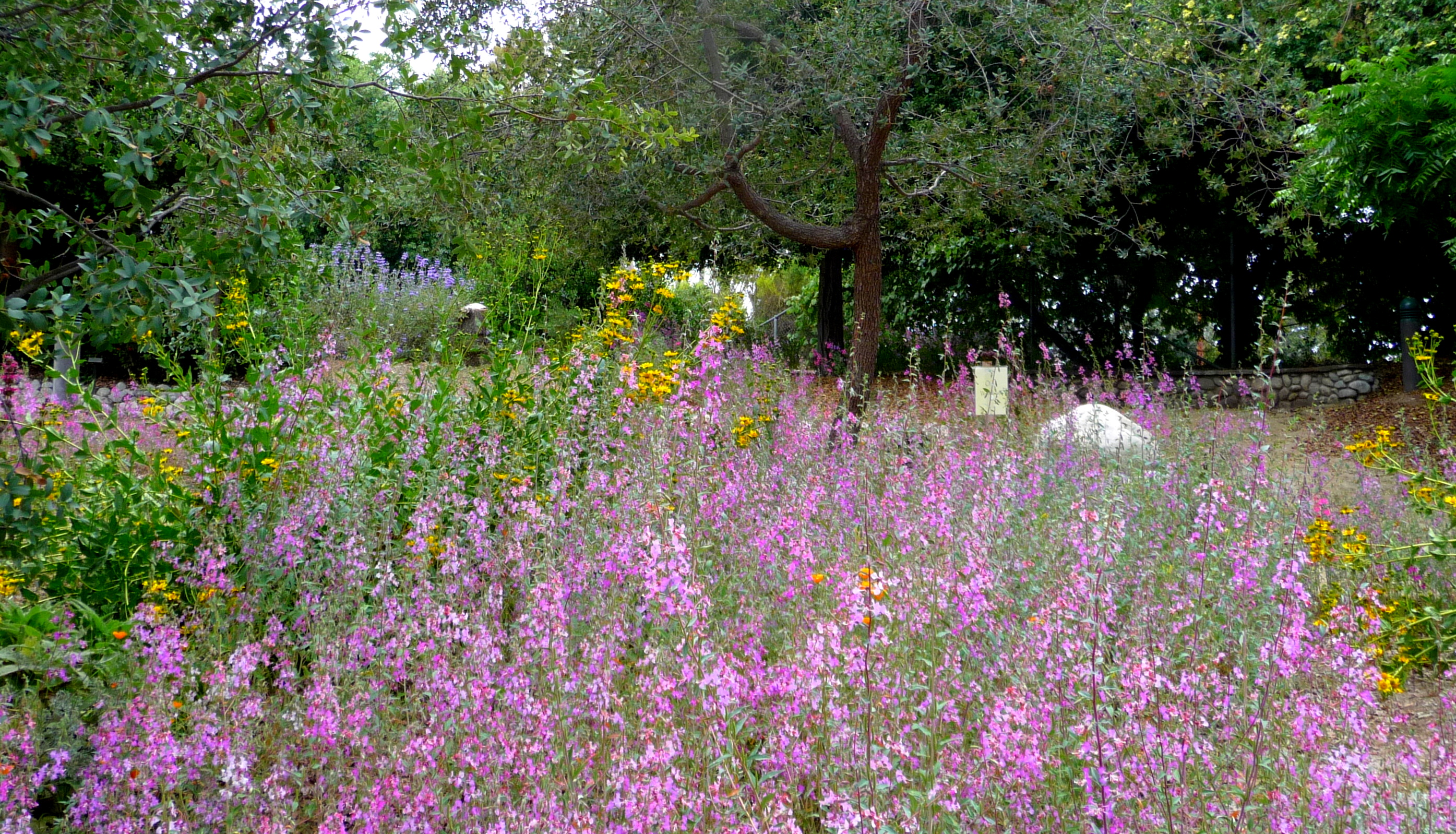
Elegant Clarkia, or Clarkia unguiculata, is a vibrant annual wildflower ideal for California gardens. With colorful blooms from April to June, it’s adaptable to various soil types and light conditions. Seeds are best sown in late fall for naturalization. This hardy plant attracts pollinators and serves as a beautiful cut flower.
-
Celebrate Tree of Life Nursery’s Legacy with OCCNPS

Tree of Life Nursery will close in December, prompting the Orange County Chapter of the California Native Plant Society to hold a Members Celebration Day on October 18. The event includes special rare plant sales, free box lunches for members, expert presentations, and an art activity. Non-members can register for membership on-site.
-
Why Plant Hollyleaf Cherry? Attract Wildlife and Enhance Gardens
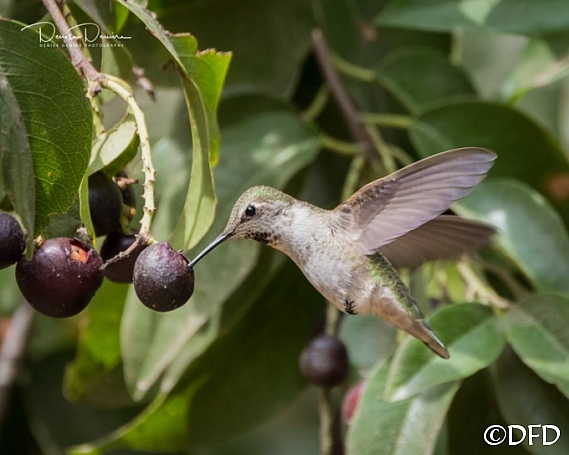
Hollyleaf Cherry (Prunus illicifolia) is the October Plant of the Month highlighted by the Orange County Chapter of the California Native Plant Society. This adaptable, evergreen shrub thrives in Southern California’s dry conditions, featuring shiny leaves and dark red fruit. It provides habitat for wildlife and serves various landscape functions, including erosion control.
-
California Fuchsia ‘Catalina’: The Ultimate Hummingbird Attractor
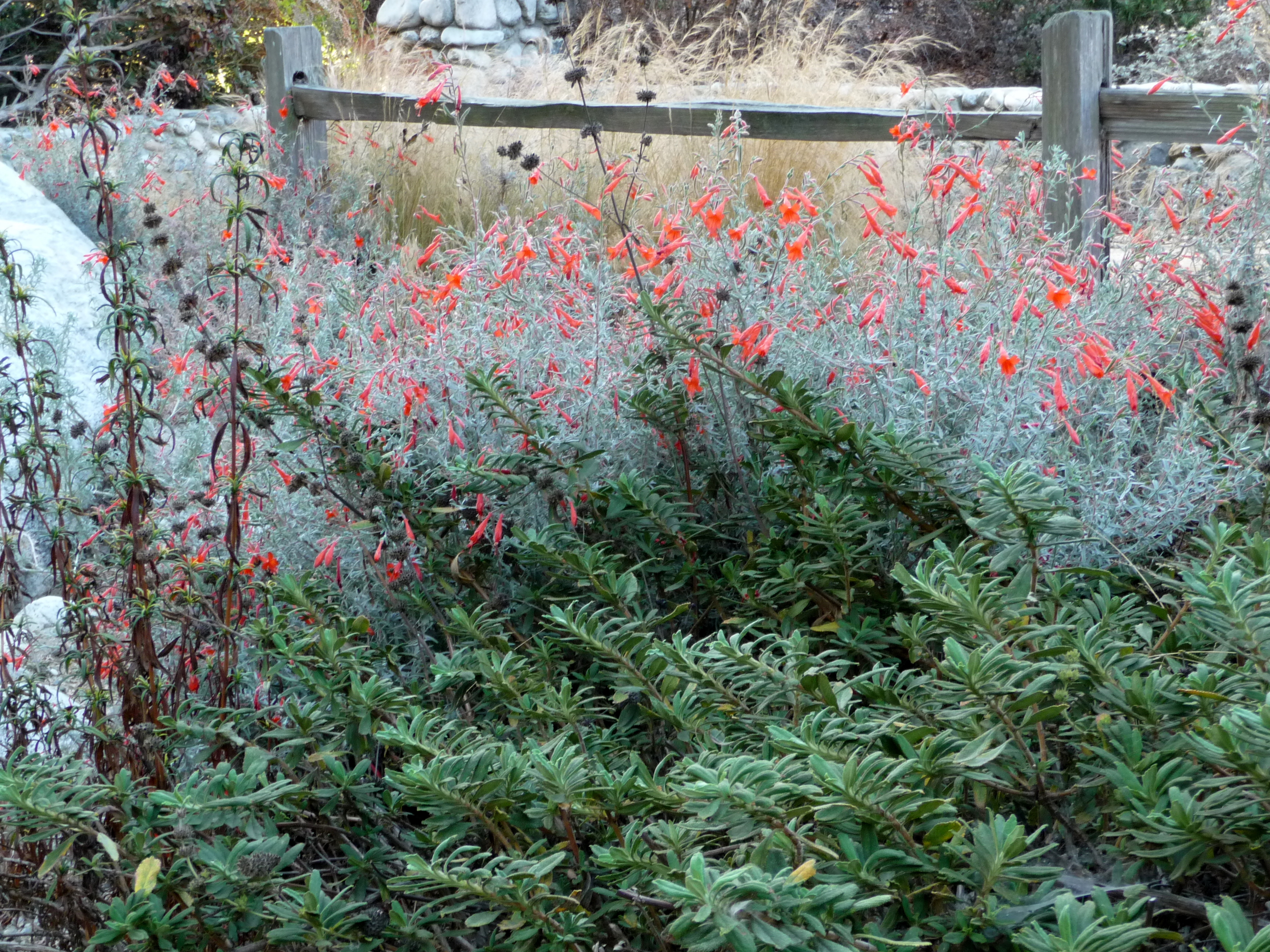
The California Native Plant Society Orange County Chapter highlights California Fuchsia ‘Catalina’ as September 2025’s Plant of the Month. This perennial is drought-tolerant, attracts hummingbirds, and thrives in sunny, well-drained areas. Notably taller than similar species, ‘Catalina’ features vibrant red flowers and enhances garden aesthetics when planted alongside other native varieties.
-
Lemonade Berry: The Resilient Native Shrub for Southern California
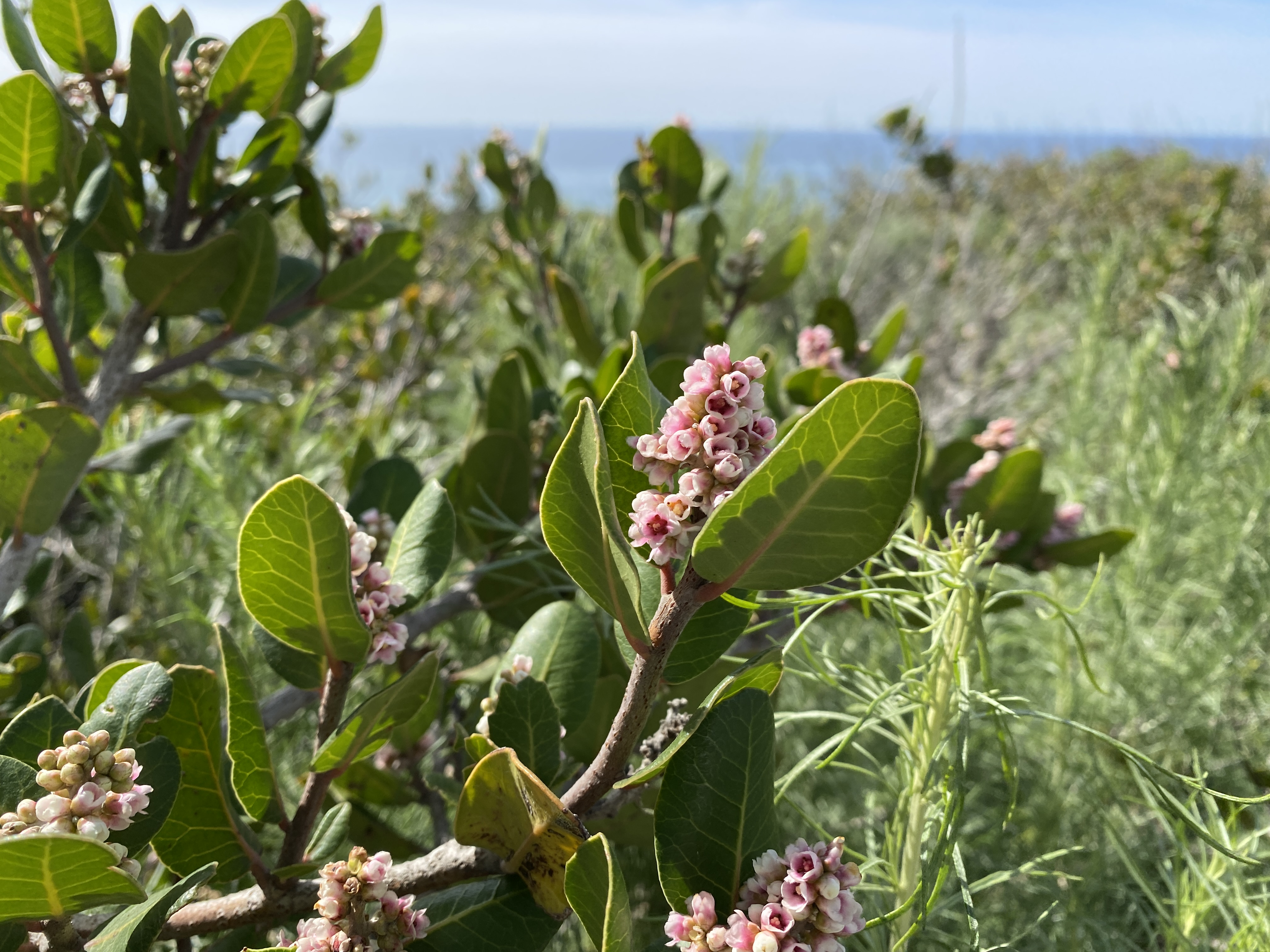
The Orange County Chapter of the California Native Plant Society highlights the Lemonade berry (Rhus integrifolia) as the August Plant of the Month. This adaptable evergreen shrub thrives in full sun, tolerates drought, and grows 6-10 feet tall. Known for its unique bitter lemon-flavored berries, it offers various landscaping benefits, such as acting as a…
-
Pamela Heiss: Championing Native Plants in Orange County
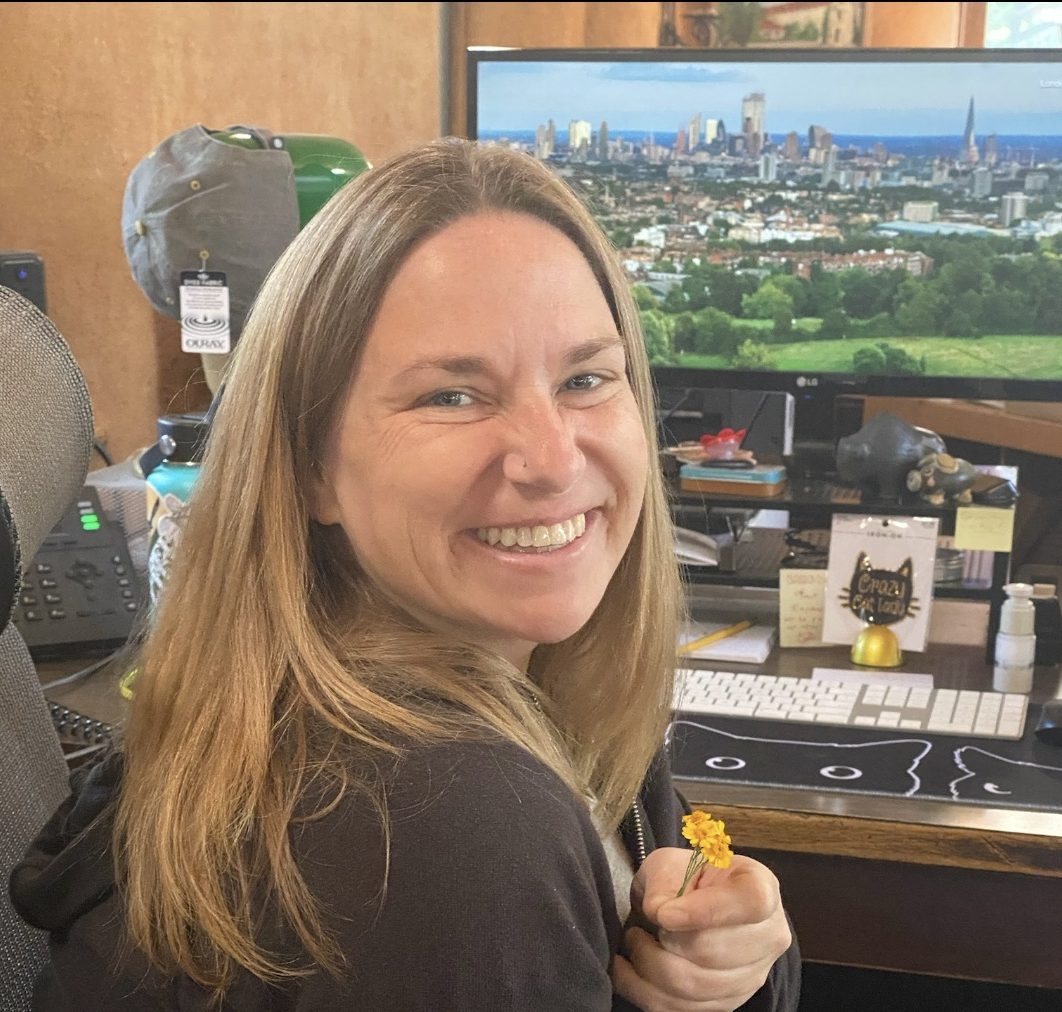
Pamela Heiss, a member of the OCCNPS board, actively promotes native plants within the Orange County community through her work with the Garden Tour and Outreach teams. Since joining CNPS in 2018, she emphasizes the importance of conservation and community education. Pamela aims to inspire awareness of native plants’ benefits for local ecosystems and biodiversity.
-
Creative Bouquets with Native Flowers
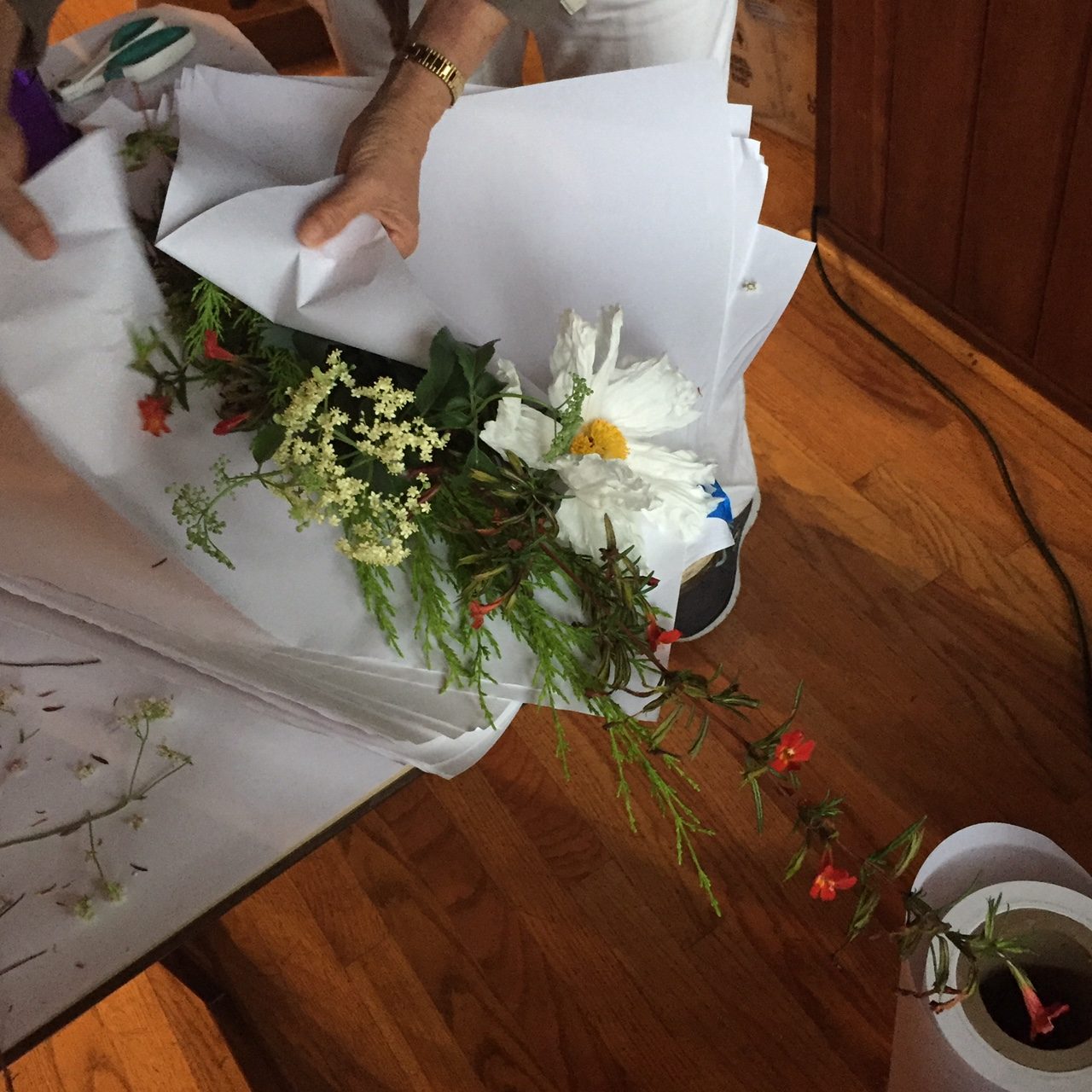
Dan Songster encourages local gardeners to incorporate native flowers into indoor bouquets, promoting their use while enhancing plant growth. Contributors share favorites like Blue-eyed Grass, California Poppy, and Woolly Blue Curls, highlighting their longevity and aesthetic appeal. The newsletter invites future tips on drought-resistant native plants.
-
Island Bush Poppy: A Gardener’s Guide
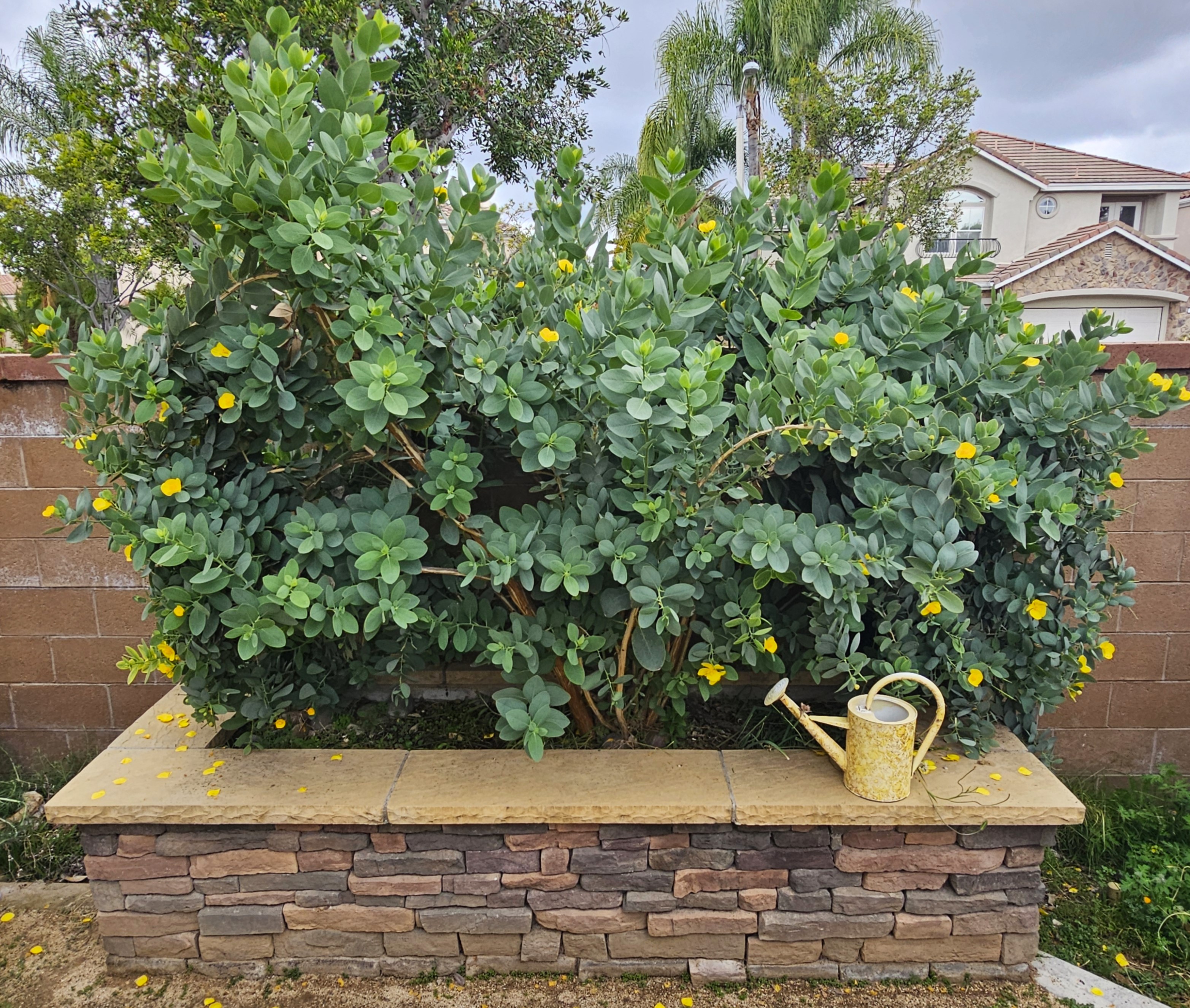
The Island Bush Poppy, or Dendromecon harfordii, is an evergreen shrub thriving in full sun to partial shade, native to Southern California’s Channel Islands. With beautiful yellow flowers and bluish-green leaves, it’s drought tolerant and adaptable. Ideal for gardens, it requires careful planting and minimal pruning for optimal health.